The unusual instruments that go viral on TikTok and Reels share three things: a sound people have never heard, a visual that is fun to watch, and a “wait, how does that work?” moment. Below are 25 instruments that keep showing up in short-form video, from the handpan and khaen to the Otamatone and PVC-pipe orchestras, with where each comes from and how to try one.
Calm, dreamy sounds
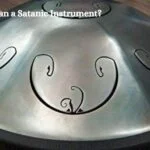
- Handpan. Swiss-born steel instrument (the original Hang appeared in 2000) with a ring of hand-hammered notes. The viral “relaxing” instrument. See hang drum vs handpan.
- Steel tongue drum. The affordable handpan alternative, played with mallets or fingers. Try one.
- Kalimba. A thumb piano with a music-box tone; easy tabs make it a favourite for anime and game covers. Easy kalimba songs.
- Rav Vast. A premium tongue drum with a deeper, handpan-like sound.
- Tibetan singing bowl. Rubbed or struck metal bowls used in sound baths.
- Glass harp. Wet fingertips on tuned glasses create an eerie, singing tone.
Funny and weird
- Otamatone. The singing eighth-note toy from Japan’s Maywa Denki. Read why the Otamatone keeps trending.
- Stylophone. The 1968 stylus synth, now available as a keychain Mini. Every Stylophone compared.
- Nose flute. Air from your nose, pitch from your mouth shape. Instantly comic.
- Slapaphone. Tubes slapped with paddles for punchy bass notes. See what is a slapaphone.
- PVC pipe instruments. Tuned plumbing pipes hit with flip-flops or paddles. Build one with our PVC pipe instrument guide.
- Musical saw. A handsaw bent and bowed for a wobbling, ghostly melody.
Traditional instruments with new fans
- Khaen. A Lao bamboo mouth organ that plays chords and melody at once. Read what is a khaen.
- Nyatiti. A Kenyan Luo lyre, played while the musician sings and keeps rhythm with a foot bell.
- Shamisen. A three-string Japanese lute with a sharp, percussive attack, popular in rock and anime covers.
- Erhu. A Chinese two-string fiddle with a voice-like tone.
- Guzheng. A Chinese plucked zither; fast-finger covers of pop songs regularly go viral.
- Hurdy-gurdy. A cranked wheel bows the strings while keys change the notes. Medieval and metal at once.
- Didgeridoo. An Aboriginal Australian drone instrument, played with circular breathing.
- Udu. A Nigerian clay pot drum with a deep, watery bass tone.
- Jaw harp. One of the oldest instruments, twanged against the mouth.
Strange tech and sci-fi sounds
- Theremin. Played without touching: your hands change pitch and volume in the air.
- Waterphone. A steel resonator with bronze rods, famous from horror soundtracks.
- Artiphon Orba. A palm-sized dome you tap, tilt and shake to make loops. Orba 2 vs Orba 3.
- Stringless smart guitars. LED-guided instruments such as the LAVA GENIE and Melo-D. Compare smart guitars.
Why these instruments go viral
- Unfamiliar sound: viewers stop scrolling to work out what they are hearing.
- Visual hook: waving hands at a theremin or slapping pipes is fun to watch with the sound off.
- Covers of known songs: a pop hit on a khaen or guzheng combines familiar and strange.
- Short learning curve: tongue drums, kalimbas and Otamatones sound good to beginners, so more people post.
Want to try one?
| Budget | Easiest viral instrument to start |
|---|---|
| Under $30 | Kalimba, nose flute, jaw harp, Stylophone Mini |
| $30–100 | Otamatone, steel tongue drum, ocarina, PVC pipes (DIY) |
| $100–300 | Artiphon Orba, theremin, entry-level erhu or shamisen |
| $1,000+ | Handpan, hurdy-gurdy, professional guzheng |
For traditional instruments such as the shamisen, erhu or khaen, a teacher or community group helps you learn the tradition behind the sound, not just the trick.